
Fix The Tix
Fix The Tix

Fix The Tix State Model Legislation
Fix the Tix, representing every major constituency in live entertainment, has developed model legislation to protect fans, strengthen transparency, and restore integrity to the ticketing marketplace.
This legislation is backed by artists, fans, independent venues, promoters, performing arts centers, universities, managers, agents, major and indie labels, and more. Together, they are pushing back against the predatory resale platforms that have exploited fans and artists for far too long.

The Fix The Tix Act aims to enhance consumer protection in the event ticketing market by regulating the sale and resale of tickets, improving transparency, and preventing predatory and deceptive practices. To learn more about the key provisions included in the legislation, browse the section-by-section summary of the Fix The Tix Act below.
Fix The Tix Model Legislation
-
Defines key terms for primary sellers, resellers, resale platforms, bots, and speculative tickets to ensure clarity.
-
Requires clear upfront pricing, itemized fees, and seat details before purchase.
-
Bans listing or selling tickets not in the seller’s actual possession or ownership.
-
Blocks resellers from accessing or reselling tickets before public on-sale or authorized presales.
-
Allows artists and venues to use transfer restrictions and enforce safety and purchase policies.
-
Mandates full refunds for canceled events, counterfeit tickets, or tickets not as described.
-
Prohibits unauthorized use of artist or venue names, logos, or “official” branding in resale sites.
-
Bans bots, fake accounts, and other methods used to bypass ticket limits or security systems.
-
Prevents resale prices from exceeding the original total price paid at initial sale.
-
Limits total added resale fees to a maximum of 5 percent of the original ticket price.
-
Holds platforms accountable for listing tickets obtained with bots.
-
Requires sellers to certify ticket legitimacy and disclose identity and location.
-
Requires platforms to display seller information, professionalism status, and support contacts.
-
Requires platforms to remove illegal listings, monitor violations, report bad actors, and maintain records.
-
Imposes strong civil penalties for violations and establishes reporting and oversight mechanisms.
Fix The Tix Act Key Provisions
If you'd like to request the full text of the model legislation, please contact advocacy@nivassoc.org.
Fix The Tix In Action
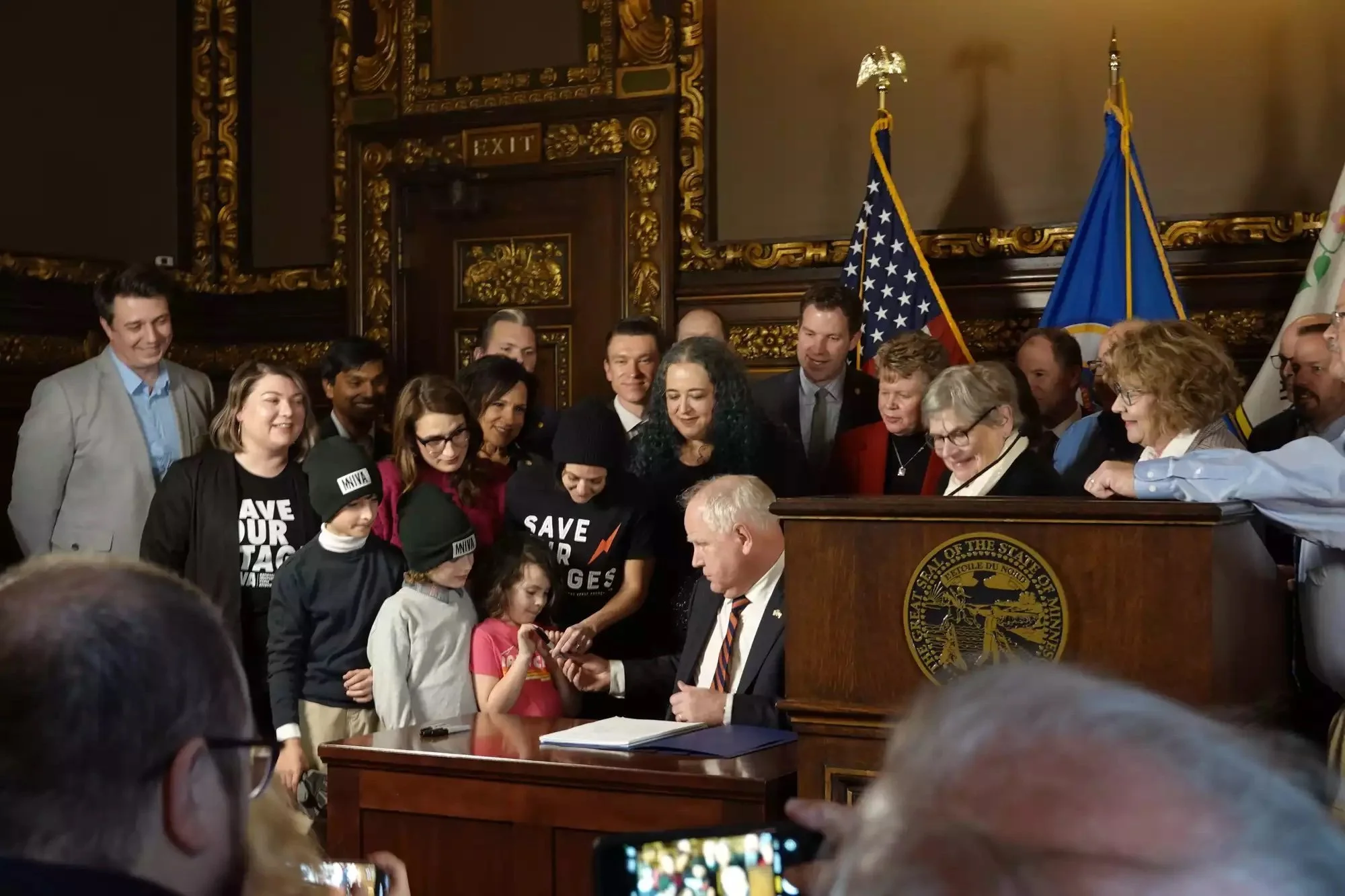
MNIVA members with Gov. Tim Walz as he signs a new Minnesota state tax conformity law.
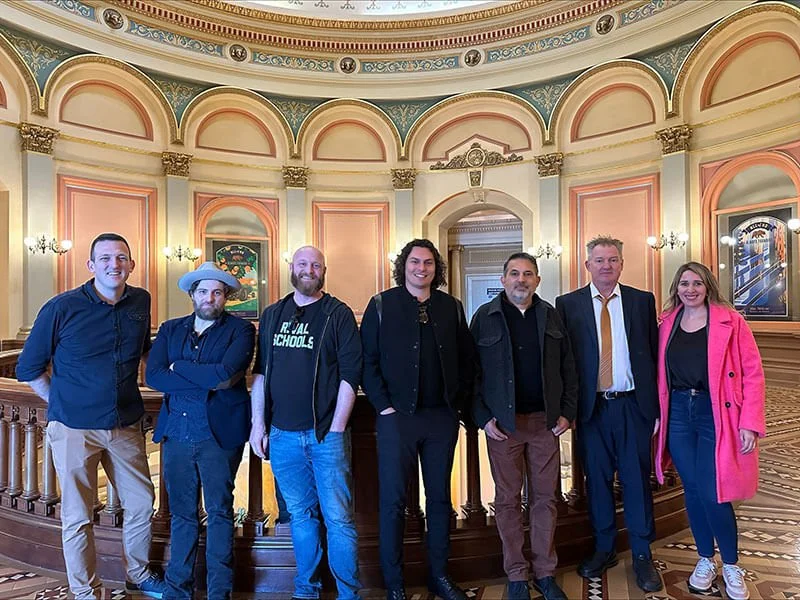
NIVA CA members at the California State Assembly ahead of a hearing of the Arts Committee and the Privacy and Consumer Protection Committee.

NIVA member Tag Evers speaking with Wisconsin's Sen. Kelda Roys on the comprehensive SWIFTIE Act.

Legislation 101:
Key Features of Fan-Centric vs Anti-Fan Ticketing Bills
Price Cap and 5 Percent Fee Cap on Resale
Bans resale over face value and limits resale fees to a maximum of 5 percent of the original ticket price, preventing excessive platform and seller price gouging.
Statewide Ban on Speculative & Fake Tickets
Prevents the sale of tickets that do not exist or cannot be validated.
Statewide Ban on Spoof Websites
Bans sites that impersonate official venue or artist pages to mislead fans.
Transparency in Pricing
Requires full itemization of ticket prices, including fees, at the beginning of the ticket sale.
Mandatory Seller Transparency
Requires clear disclosure of the seller’s name, location, and whether they are a professional reseller or a fan seller.
Platform Accountability Requirements
Requires resale platforms to actively monitor listings, remove illegal or speculative tickets, and report repeat violators to state authorities.
Consumer Protection Reporting Portal
Establishes a state-level platform for fans, artists, and venues to report violations.
Enforcement and Penalties
Provides strong enforcement provisions with fines for violators of the ticketing law.
Fan-Centric
Unlimited Transferability for Resellers
Allows secondary resellers to transfer tickets freely, enabling exploitation by scalpers.
Forced Access to Venue Data Systems for Resellers
Requires venues to give back-end data access to secondary sellers, providing them with primary tickets and fan data.
Sharing of Private Ticketing Data
Forces venues to disclose private ticketing data to secondary resellers, breaching consumer privacy.
Speculative or Fake Tickets with Fine Print
Allows speculative or fake tickets to be sold if disclosed only in fine print, which may not be visible to fans.
Prohibited Terms and Conditions
Bans consumer protections like delayed ticket transfers or restrictions on resale terms, often benefiting resellers at fans’ expense.
Allowing Refunds After Non-Use of Tickets
Enables resellers to buy tickets, skip the event, and still demand a refund, harming the venue and legitimate fans.
Bans on Fan-Friendly Exchanges
Prevents venues and artists from offering ticket exchanges, delayed delivery, or transfer controls that help tickets reach real fans.
Prohibition on Venue Safety Tools
Blocks venues from implementing new ticketing tools designed to protect fans, prevent fraud, or manage safe and fair entry.
Anti-Fan
